
The serious work of play: How Play and Novelty Reduce Adult Burnout
If you are living in Washington State—navigating a hectic work week, managing the pressures of professional life, or trying to balance family life in the Inland Northwest—it is easy to fall into a heavy routine. We manage calendars, pay bills, fold laundry, and answer endless emails. Somewhere along the line, we convince ourselves that being a responsible adult means being a serious one. We relegate "play" to childhood and treat "novelty" as an expensive luxury or an unnecessary distraction.
But as a Licensed Marriage and Family Therapist Associate (LMFTA) in Spokane, Washington, I see firsthand what happens when our internal ecosystem becomes all work and no play. The technical term for it is anhedonia - the loss of the ability to feel pleasure, but most people in my counseling practice describe it simply as feeling numb, or profoundly stuck in a rut.
If you have been feeling uninspired or chronically exhausted, the remedy might not be more rest. It might be a healthy dose of play and novelty. Here is what clinical history and the latest scientific research tell us about why your brain actually needs play to thrive.
What a Pioneer of Play Therapy Can Teach Adults
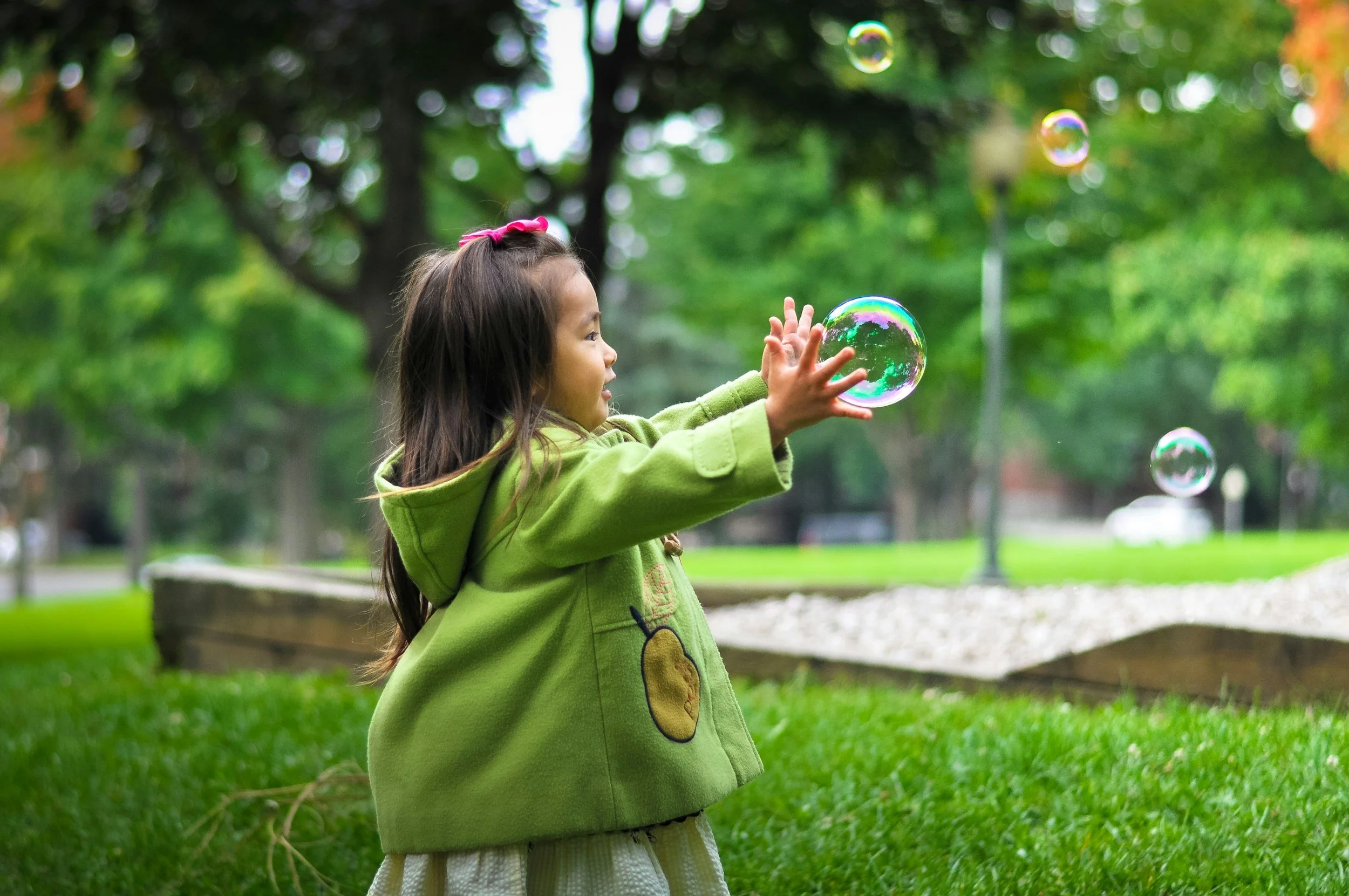
In the world of counseling, Dr. Gary Landreth is a legendary figure known for his groundbreaking work in Child-Centered Play Therapy. He famously coined the phrase: "Birds fly, fish swim, and children play."
Landreth’s core philosophy posits that for children, play is not just a recreational activity - play is their natural language, and toys are their words. When children lack the complex vocabulary to express deep trauma, anxiety, or joy, they project those inner worlds onto their play.
As we grow up, we are taught to trade this expressive language for literal words. We talk, we analyze, we journal, and we rationalize. But what happens when our adult stressors, burnout, and existential anxieties outgrow our vocabulary?
The truth is, we never actually lose our need for that primal language. For adults, engaging in play provides the exact same outlet that Landreth observed in children. When we play, we bypass the strict, logical defenses of our adult minds and give our subconscious a safe space to speak, process, and decompress.
The Neurobiology of Adult Playfulness
Recent neuroscientific and psychological research has fundamentally challenged the old frameworks that restrict play to childhood and label adulthood strictly as a time for work (Westergren, 2026). Neurological studies demonstrate that play serves as an exploratory mechanism, allowing us to map new neural networks and select and consolidate vital synapses in the brain's "jungle of neurons" (Canepa, 2026).
Clinical data points to a highly specific trait known as adult playfulness—the psychological disposition to consciously reframe everyday situations so that they are experienced as entertaining, intellectually stimulating, or personally interesting (Sendatzki, 2026; Brauer, 2025).
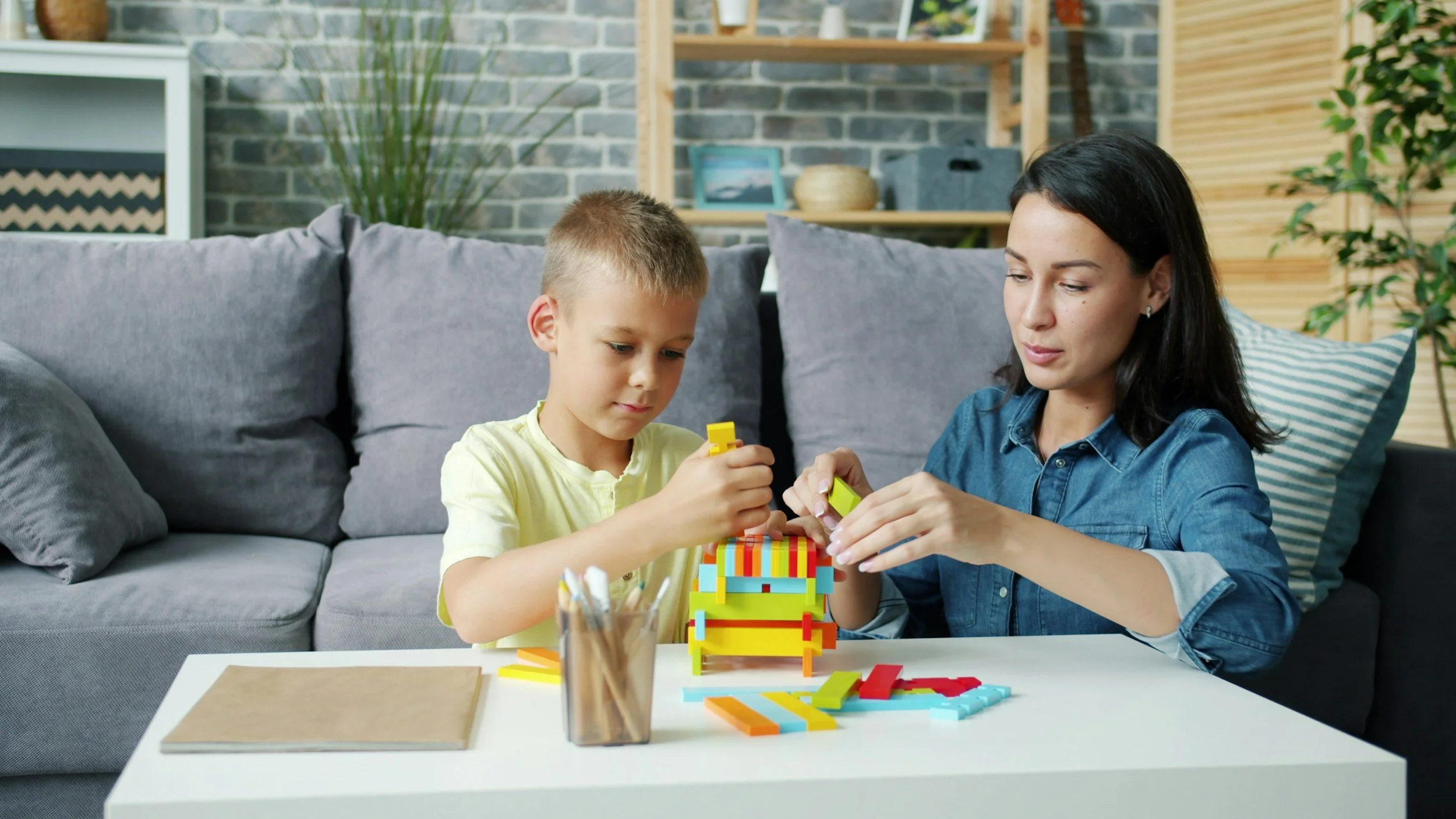
When we actively flex this "playfulness muscle," the clinical benefits are profound:
Significant Stress Reduction
A 2026 study of working professionals found a direct, measurable link between a facet of lighthearted playfulness and lower levels of perceived psychological stress (Sendatzki, 2026). Reframing stressful demands as an engaging or game-like puzzle protects our nervous systems from chronic overload.
A Safety Valve for Perfectionism
In standard adult life, the stakes are always high. However, clinical reviews show that structured, playful enactments consistently improve emotional regulation and reduce anxiety by creating a zero-stakes container in which individuals can safely experiment with alternative behaviors without fear of failure (Mazzucato, 2026).
Building Secure Relationships
Playfulness is highly relational. Emerging research shows that "other-directed playfulness"—the act of introducing humor, inside jokes, and lightheartedness into our social circles—is a powerful predictor of lower avoidant attachment styles, paving the way for deeper emotional intimacy and vulnerability in adult relationships (Brauer, 2026).
Translating the "Language of Play" into Adulthood
If play is a language, what do adult "words" look like? Landreth noted that a child’s toys act as vehicles for emotional expression. For adults, our toys might look like picking up a guitar, setting up an easel, digging in a messy garden bed, sitting over a chessboard, or experimenting with a blank recipe card.
When you choose to step into these playful spaces, you are choosing an active form of emotional regulation. Rather than turning to passive numbing mechanisms (like mindlessly scrolling on your phone), active play lowers cortisol levels, sparks dopamine production, and, when shared with others, releases oxytocin.

How to Reclaim Play (Without Adding More Stress)
If the idea of "learning to play" feels overwhelming, you are likely overthinking it; you don’t need to take up a complicated, expensive new hobby when the goal is simply to shift your mindset from productivity to curiosity. You can start small by practicing "micro-novelty," such as taking a completely new route home, listening to a strange genre of music, or ordering something random from a local menu to disrupt your brain's autopilot and trigger an immediate hit of focus-boosting dopamine. Another powerful approach is to follow your nostalgia by picking up a modern version of whatever you loved doing when you were 10 years old - whether that was building with Lego blocks, rollerblading, or sketching - and seeing how it feels to experience that joy today. Ultimately, it’s about giving yourself explicit permission to embrace a "bad" hobby, whether that means stumbling through a guitar riff you aren't quite ready for, taking an introductory pottery class, or baking something complex, strictly for the messy, fun process rather than a perfect final outcome.
Giving Yourself Permission
The next time you feel a twinge of guilt for doing something "unproductive," try to reframe it using Landreth's lens. You aren’t wasting time; you are simply speaking a language your nervous system desperately needs to hear to stay resilient, flexible, and fully alive.
Giving yourself permission to play isn’t a reward for finishing your hard work—it is the very fuel that allows you to do the hard work in the first place. Go find your adult "toys" and let yourself play today.
Reclaiming Your Story: Mental Health Counseling in Spokane, WA
If you have spent months or years putting others first, navigating high-stress life transitions, or carrying the invisible weight of emotional burnout, reclaiming your sense of play can feel incredibly difficult on your own. Sometimes, a persistent lack of joy isn't just fatigue - it is a sign that your underlying system is overwhelmed and disconnected.
At Heartland Marriage and Family Therapy, I partner with individuals and couples to look past surface-level symptoms and explore the deeper narratives shaping their lives. Whether you are seeking online therapy in Washington State or prefer in-person counseling at our Spokane office, you can find a warm, creative space to deconstruct old patterns and re-author your story.
You don’t have to navigate these challenging emotional landscapes in isolation.