
Therapy That Comes From the Heart.
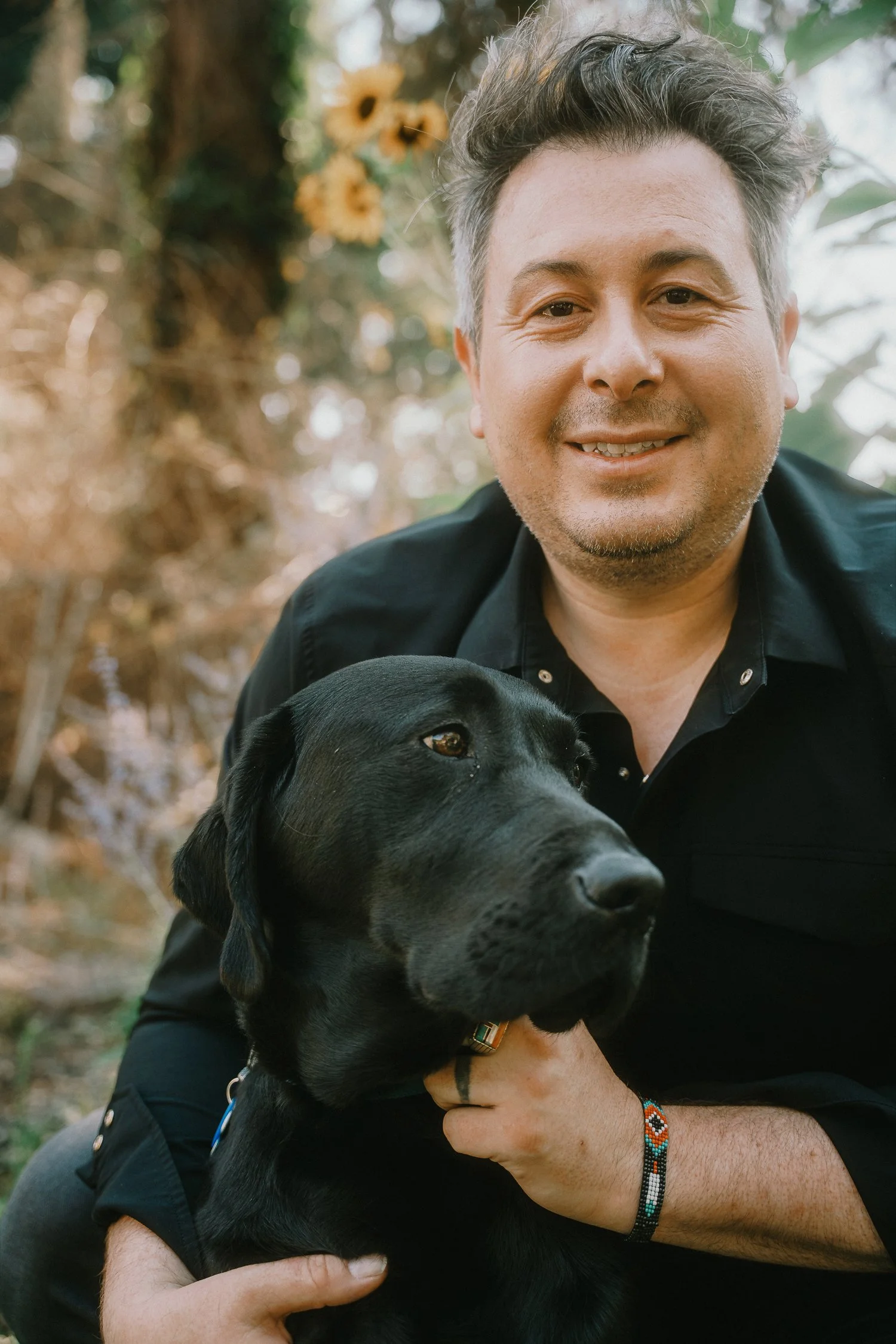
Hello, and thank you for being here.
Something in you is asking a bigger question. Maybe a relationship has grown quiet, or a loss has rearranged everything, or the life you built no longer quite feels like yours. Whatever brought you here, I’m glad you came.
My name is Marshall McLean. I’m a Licensed Marriage and Family Therapist Associate and the founder of Heartland Marriage and Family Therapy. I chose the name “Heartland” because I believe real healing begins at our core, the place where mind, body, and spirit meet. It’s the center from which we learn to live more authentic, wholehearted lives, and it’s the ground our work together stands on.
In the room, that looks like curiosity rather than judgment, and attention to your whole story rather than just the symptom that brought you in. Together we’ll explore the relationships, patterns, and deeper currents shaping your life, and look for the places where a different story becomes possible.
My Education and Approach to Therapy
I earned my Master of Arts in Marriage and Family Therapy and my Bachelor of Arts in Counseling from Whitworth University, and I am a Licensed Marriage and Family Therapy Associate (LMFTA) in Washington. I see individuals, couples, and teens in person in Spokane and online across the state.
My training is in marriage and family therapy, so I work systemically: none of us can be understood in isolation. The struggles you’re carrying make sense in light of the relationships, family patterns, and beliefs that shaped you. I don’t see those as only the source of what hurts; they also hold the most powerful keys to healing and growth. That conviction underpins everything we’ll do together.
Three threads run through my work:
Narrative. You are the expert in your own life. Together we’ll explore the stories that have shaped you and your relationships, then look for the places where a different telling is possible. The goal isn’t to erase your history but to re-author it, so the story you’re living feels more honest, more spacious, and more aligned with the future you want.
Depth. Much of what drives us lives below the surface. Drawing on Jungian depth psychology, we pay attention to unconscious patterns, dreams, symbols, and the parts of yourself you've pushed aside. For some clients, this includes sand tray work, a hands-on, imaginative way of giving shape to what words can’t quite reach. The aim is integration: becoming more fully yourself, not a more edited version.
Systems. Through Bowen Family Systems and other systemic approaches, we trace how patterns, sometimes passed down through generations, are influencing you now. The work is to become your own person while staying meaningfully connected to the people you love.
This is work that often turns toward identity, grief, meaning-making, and life transitions, including faith deconstruction and religious trauma, and the inner lives of artists and creatives whose questions don’t fit neatly into a treatment plan. Some of it is practical: repairing conflict, changing patterns that keep failing you. Some of it is slower, listening for what’s stirring underneath. Usually both.
Men’s identity work. I focus on men and male teens navigating questions of identity: who you are apart from what you produce, provide, or perform, and how the models of manhood you inherited are shaping your relationships now. Using an attachment-based, depth-oriented approach, we’ll explore the childhood experiences and unconscious patterns beneath anger, withdrawal, or restlessness; do the shadow work most men were never invited into; and build practical skills along the way. Expect to integrate all parts of yourself, not just the ones that have been easy to show.
Building on that foundation, I integrate specialized approaches when they fit your needs:
For couples, I draw on the research-backed Gottman Method and Emotionally Focused Therapy, slowing conflict down enough to hear what’s underneath it, rebuilding friendship and trust, and fostering a deeper sense of shared meaning and partnership.
When addressing trauma, I take a gentle and specialized approach. We can use methods like Trauma-Focused Cognitive Behavioral Therapy (TF-CBT) for specific distressing events, or Lifespan Integration to help your mind and body process past experiences, making them part of your story rather than something that defines it.
Current Certifications include:
Gottman Method Couples Therapy – Level 1
Lifespan Integration – Level 1
Emotionally Focused Therapy (EFT) – Externship Level 1
Trauma-Focused Cognitive Behavioral Therapy (TF-CBT)
As a Licensure Associate, I practice under the supervision of Dr. Elizabeth (Bethy) Campbell, a Licensed Psychologist and Licensed Marriage and Family Therapist.
